Three Yeses at Once
Months of silence, then three offer letters in the same week. Why I turned down the CPA firm and the truck manufacturer, and the day my team showed up at my graduation.
There is a specific kind of quiet that comes after you send a job application. You check your inbox. Nothing. You check it again ten minutes later, as if that would change anything.
I lived in that quiet for months during my Master's at UW Tacoma.
The Clock I Couldn't Argue With
My program came with a requirement I had no way around. CPT. Practical training, in my field, finished on the university's schedule and not on mine.
That word, requirement, sits differently when you are an international student. It was not a line to decorate a résumé with. It was a condition. If I did not find something, everything I had moved across the world for was suddenly in question.
So I applied. Then I applied again. Another cover letter. Another version of the same summary, reworded for what felt like the hundredth time. There were nights I closed the laptop genuinely unsure whether any of it was working.
Then it broke open. One interview became three. Three became a calendar I was juggling around my classes.
Three Yeses at Once
And then something I still think of as pure luck. Three offer letters, in the same week.
A CPA firm. A major American truck manufacturer. And Stella-Jones.
I remember reading the third one and just sitting there for a while. Months of hearing nothing from anyone, and now I had to tell two good companies no. I called home. I think I said it out loud twice before it started to feel real.
Why I Picked the Wood Company
On paper it was the least obvious choice. The CPA firm was the natural homecoming, since audit is where my career began. The truck manufacturer was the biggest name on the list.
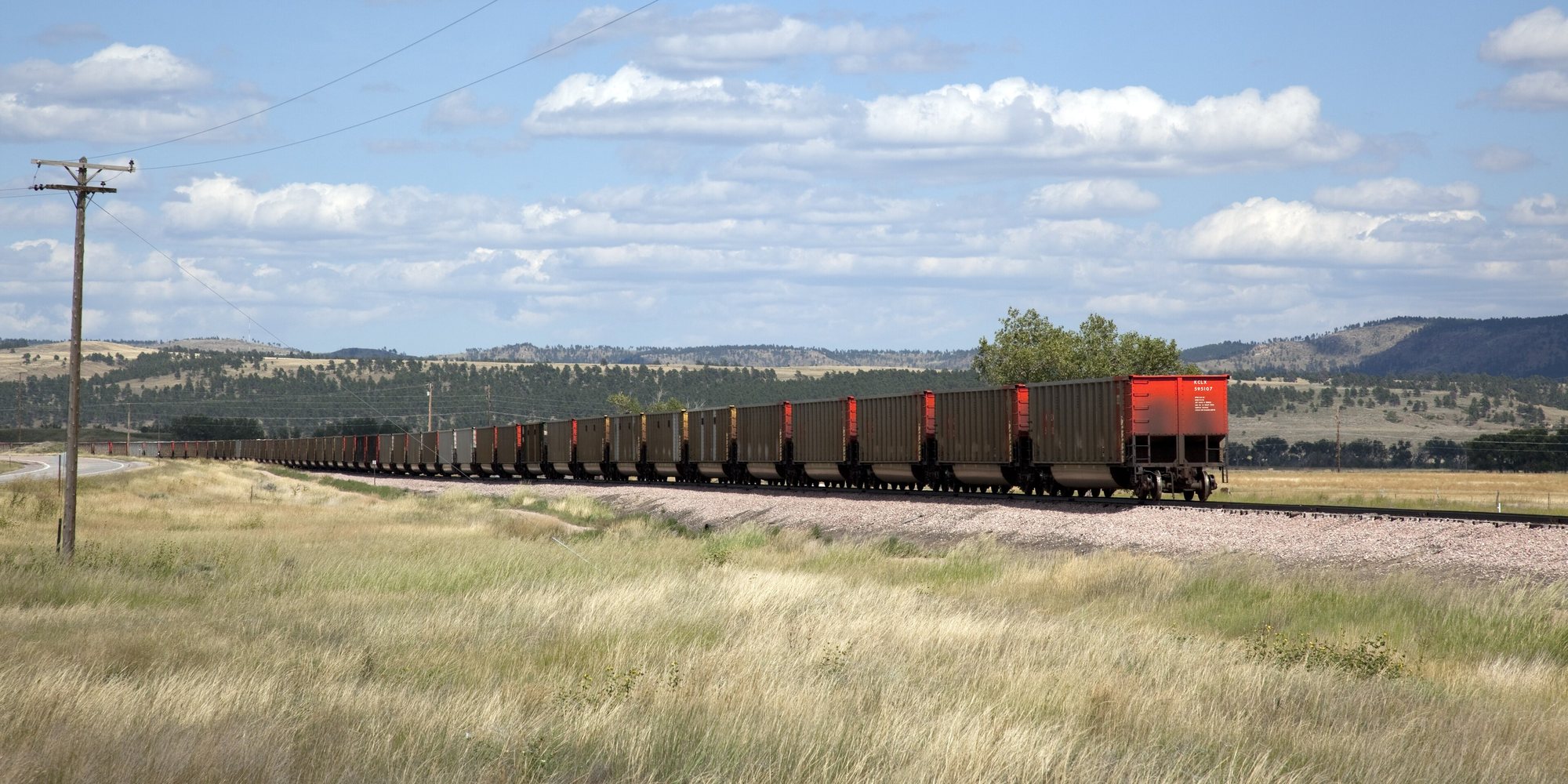
But Stella-Jones is not a small lumber yard, which is what people tend to picture when I say timber. They are listed on the TSX, and they are a leading North American manufacturer of the treated wood that electrical utilities and railways depend on. Utility poles and railway ties are the core of the business.
Which meant the numbers I would be working on sat behind the poles carrying electricity into people's homes and the ties holding railway lines in place. I liked that more than I expected to. Accounting can feel abstract until you can point at something in the world and say, that one. We costed that.
"The only way to do great work is to love what you do." (Steve Jobs)
Reading the System Instead of Fighting It
I came in as a GL Accountant.
Anyone who has worked in SAP knows GR/IR. It is the account that sits between what was received and what was invoiced, and in any high volume environment it collects things. Open purchase orders. Timing differences. Entries that need somebody patient enough to work out what actually happened.
Six years in SAP at a refinery in Karachi had given me something that never looks like much on a résumé. I knew how to read a system instead of fighting it. I knew where to look, because I had spent years looking.
So that is what I did. One reconciliation at a time, until every open item had an explanation sitting behind it and the accounts lined up with what the approved budgets intended.
It is not glamorous work. I loved it anyway. There is a quiet satisfaction in opening something tangled and closing it clean.
What I did not expect was being told so. When management said the work had made a difference, I felt something I had not felt since arriving in the US. Useful. Not a student on a visa hoping somebody would take a chance on him. Just a person doing his job, and doing it well.
"Nothing will work unless you do." (Maya Angelou)
The Day They Showed Up
And then there is the moment I will never forget.
Graduation. UW Tacoma. I had been chosen to speak at the hooding ceremony on behalf of my class, which still did not feel real on the morning of.
My team came.
Not because anybody asked them to. Nobody expects their colleagues to give up a day and sit through a graduation ceremony. They just came, and they were there in the audience while I stood at that podium and spoke.
I had crossed an ocean on my own. I had spent nights wondering whether any of this was going to work out. And there, in a city I had walked into as a complete stranger, were people from work who had shown up for me.
I do not think I have ever felt prouder, or more grateful. I still think about it.
From Recording to Explaining
A few months after graduation I moved to cost accounting, and it changed how I look at a business.
A ledger tells you what happened. Costing tells you why. I went from recording the company's history to working on its economics. Actual costing. Material, labour, overhead. Variance reports where the real job is finding the cause behind the number.
For the first time I could follow a product the whole way through, from what went into it to what it finally cost to make, and understand the decisions leadership actually had to weigh. I was not just closing a month any more. I was helping answer questions that mattered.
Teaching the Boring Part to a Machine
Costing has a rhythm to it. Some of it is judgment. A lot of it is the same work, over and over, every single month.
AI tools were arriving in the business around that time, and nobody really knew what to make of them yet. It is easy to try one once, decide it is a novelty, and go back to working the way you always have.
I wanted to give them a proper chance. So I put real hours in, mostly in the evenings, the same way I had once sat down and properly learned SAP.
Eventually I built an agent. It took on a slice of the costing work and got through it faster than I could by hand. Nothing dramatic. It quietly removed a piece of the repetitive part of the month, which left more room for the part that genuinely needed a person thinking about it.
That project changed how I see this profession. The work is not disappearing. But the shape of it is changing, and I would much rather help shape it than have it happen to me.
What I Actually Took With Me
Still, the part of Stella-Jones I will carry longest is not the systems. It is the people.
Good work got said out loud. Questions were welcome. Nobody was made to feel small for not knowing something yet. When you are new to a country, that matters more than anyone realises.
Work can be done anywhere. Culture decides what it costs you to do it.
I believe that more every year. Titles change and systems get replaced, but the room you spend your days in shapes your health long after the quarter closes.
So Why Leave?
Because of something I had never quite put down.
I started in public accounting, and part of me never finished with it. The variety. The standards. Looking at somebody else's numbers and being genuinely useful to them. Industry showed me how a business works from the inside, and I wanted to take that understanding back into audit.
So I made another leap, to a firm and a city I had never lived in. Albuquerque, New Mexico.
"Growth and comfort do not coexist." (Ginni Rometty)
Leaving a place you love is harder than leaving one you do not. There is no bad story to carry you out of the door. Only a quiet feeling that you still have further to go.
To everyone at Stella-Jones, and especially to the ones who sat in that audience: thank you. You got a version of me who was still finding his feet in a new country, and you gave him the room to become useful.
What happened next, the firm, the desert, and a very different kind of audit, is the next story. Stay tuned.